• خانه
  • مقالات
  • گفتگو
  • دیدگاه
  • بازتاب
  • اخبار
    • اخبار ادیان و مذاهب
    • اخبار دین پژوهی
    • اخبار علمی فرهنگی
    • اخبار موسسه
  • تماس باما
  • درباره ما
  • خانه
  • مقالات
  • گفتگو
  • دیدگاه
  • بازتاب
  • اخبار
    • اخبار ادیان و مذاهب
    • اخبار دین پژوهی
    • اخبار علمی فرهنگی
    • اخبار موسسه
  • تماس باما
  • درباره ما
Home Article

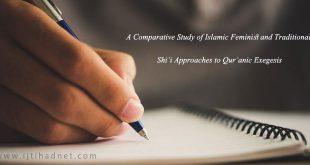
A Comparative Study of Islamic Feminist and Traditional Shiʿi Approaches to Qurʾanic Exegesis

4 اردیبهشت, 1399
در Article
0

This paper, in its endeavours to first examine feminist hermeneutical approaches to Qurʾanic exegesis and to then compare them with traditional Shiʿi approaches, begins with an overview of the main concepts of contextualist theory.

An in-depth understanding of Islamic feminist exegetical approaches is not possible without examining the ideas of contextualists such as Fazlur Rahman and Nasr Hamid Abu Zayd and how they influenced modern Islamic feminist scholars of the Qurʾan. This paper, in its endeavours to first examine feminist hermeneutical approaches to Qurʾanic exegesis and to then compare them with traditional Shiʿi approaches, begins with an overview of the main concepts of contextualist theory. Then, Islamic feminist interpretations are discussed with particular reference to two fundamental Islamic feminist exegetical methods: the historical contextualisation method and the intratextual method. This is followed by a critique of contextualist theory in general. The paper next turns its focus to textualist theory; here, traditional Shiʿa Uṣūlī thought is reviewed. Finally, a comparative analysis of the Islamic feminist and traditional Shiʿi approaches is presented within the framework of the ‘mega-method’. Throughout the paper, Qurʾan 4:34 is used as the common reference point for illustrating how the methods and approaches under consideration are applied by their advocates.

Bibliographic Information

Title: A Comparative Study of Islamic Feminist and Traditional Shiʿi Approaches to Qurʾanic Exegesis

Author: Mohammad Ali Ismail

Published in: Journal of Shi’a Islamic Studies, Volume 9, Number 2, Spring 2016, pp. 166-195

 Language: English

Length: 29 pages

A Comparative Study of Islamic Feminist and Traditional Shiʿi Approaches to Qurʾanic Exegesis

برچسب ها: روانشانسی

مرتبط نوشته ها

Article

The Excellences of Imam Hussain (as) in Sunni Hadith

8 خرداد, 1399
Article

The Role of the Women of Ashura

8 خرداد, 1399
Article

Imam Hussain does not Need Crying, Commemoration: Imam Musa al-Sadr

8 خرداد, 1399
Article

The Story Behind Muharram and why we must Know it

8 خرداد, 1399
Article

Philosophy of Muharram Commemorations

8 خرداد, 1399
Article

Imam Hussain’s Unique Sacrifice for Humanity

8 خرداد, 1399
نوشته‌ی بعدی

Knowledge as a Way to Recognize the True Imam from False Claimants

دیدگاهتان را بنویسید لغو پاسخ

نشانی ایمیل شما منتشر نخواهد شد. بخش‌های موردنیاز علامت‌گذاری شده‌اند *

آخرین مطالب

تعامل دین و توسعه، امکان یا امتناع

تعامل دین و توسعه، امکان یا امتناع

26 آبان, 1404
نامه ای سرگشاده به دختران بی حجاب وطنم

نامه ای سرگشاده به دختران بی حجاب وطنم

26 مهر, 1404
نكته هايى درباره جهانى شدن

نكته هايى درباره جهانى شدن

12 مهر, 1404
دين و فرهنگ بر پايه متون باستانى ايرانى

دين و فرهنگ بر پايه متون باستانى ايرانى

10 مهر, 1404
بارگذاری بیشتر
دبيرخانه دين‌پژوهان كشور با هدف تعميق، توسعه و ترويج پژوهش‌هاي ديني، بهينه‌كردن اطلاع رسانى، پشتيبانى از مراكز دين‌پژوهى و پژوهشگران ديني، فعاليت می کند. اين دبيرخانه از نظر تشكيلات و سازماندهي در ابتدا تحت پوشش و حمايت وزارت فرهنگ و ارشاد اسلامي و سپس پژوهشگاه فرهنگ، هنر و ارتباطات قرار گرفت و در ادامه کار با پيشنهاد دبير شورای برنامه‌ريزی دين‌پژوهان و موافقت مسئولان وزارت فرهنگ و ارشاد اسلامي، به عنوان مؤسسه‌ای غيردولتی و غيرانتفاعی به ثبت رسيد.
 
دفتر مركزى در قم
نشاني: قم ، بلوار ۴۵ متری عماریاسر ، بین کوچه ۴ و ۶ ، مجمع جهانی شیعه شناسی ، دبيرخانه دين‌پژوهان
تلفن : ۳۷۷۱۳۷۷۳ ـ ۰۲۵
آدرس سایت:
www.dinpajoohan.com

پست الکترونيک:
info@dinpajoohan.com


نقل مطلب با ذکر منبع آزاد است.

کلیه حقوق مادی و معنوی این سایت متعلق به دبیرخانه دین پژوهان کشور می باشد.