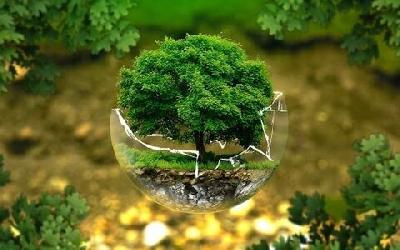
Water is an element of life and one of the aspects of environmental health that has been repeated 63 times in the Holy Qur’an with different concepts
The Qur’an, as the divine miracle for guiding human beings, has very profound concepts and teachings about environmental health which are revealed by the further study as every day newer and more beautiful truths are discovered.
The principles of environmental health include concepts such as the hygiene of water, nutrition, housing, waste disposal, and environmental beauty and discipline, to control environmental factors affecting human health. This very significant subject has also been addressed in the Qur’an and Hadiths.
In the Holy Qur’an, God the Almighty has stated the order of nature in clear verses. So, in verses 7 and 8 of Surah al-Rahman He warns human beings about transgressing the limits in using natural resources to maintain order and moderation:
وَ السَّماءَ رَفَعَها وَ وَضَعَ الْميزانَ أَلاَّ تَطْغَوْا فِي الْميزان
“He raised the sky and set up the balance, declaring, Do not infringe the balance!”
Water is an element of life and one of the aspects of environmental health that has been repeated 63 times in the Holy Qur’an with different concepts:
الَّذي جَعَلَ لَكُمُ الْأَرْضَ فِراشاً وَ السَّماءَ بِناءً وَ أَنْزَلَ مِنَ السَّماءِ ماءً فَأَخْرَجَ بِهِ مِنَ الثَّمَراتِ رِزْقاً لَكُمْ فَلا تَجْعَلُوا لِلَّهِ أَنْداداً وَ أَنْتُمْ تَعْلَمُون
“He who made the earth a place of repose for you, and the sky a canopy, and He sends down water from the sky, and with it, He brings forth crops for your sustenance. So do not set up equals to Allah, while you know.” (The Holy Qur’an,2:22)
وَ هُوَ الَّذي أَنْزَلَ مِنَ السَّماءِ ماءً فَأَخْرَجْنا بِهِ نَباتَ كُلِّ شَيْءٍ فَأَخْرَجْنا مِنْهُ خَضِراً نُخْرِجُ مِنْهُ حَبًّا مُتَراكِباً وَ مِنَ النَّخْلِ مِنْ طَلْعِها قِنْوانٌ دانِيَةٌ وَ جَنَّاتٍ مِنْ أَعْنابٍ وَ الزَّيْتُونَ وَ الرُّمَّانَ مُشْتَبِهاً وَ غَيْرَ مُتَشابِهٍ انْظُرُوا إِلى ثَمَرِهِ إِذا أَثْمَرَ وَ يَنْعِهِ إِنَّ في ذلِكُمْ لَآياتٍ لِقَوْمٍ يُؤْمِنُونَ
“It is He who sends down water from the sky and brings forth with it every kind of growing thing. Then from it, We bring forth vegetation from which We produce the grain, in clusters, and from the palm-tree, from the spathes of it, low-hanging clusters of dates, and gardens of grapes, olives, and pomegranates, similar and dissimilar. Look at its fruit as it fructifies and ripens. Indeed, there are signs in that for a people who have faith.” (The Holy Qur’an,6:99)
إِذْ يُغَشِّيكُمُ النُّعاسَ أَمَنَةً مِنْهُ وَ يُنَزِّلُ عَلَيْكُمْ مِنَ السَّماءِ ماءً لِيُطَهِّرَكُمْ بِهِ وَ يُذْهِبَ عَنْكُمْ رِجْزَ الشَّيْطانِ وَ لِيَرْبِطَ عَلى قُلُوبِكُمْ وَ يُثَبِّتَ بِهِ الْأَقْدامَ
“When He covered you with a trance as a sense of security from Him, and He sent down water from the sky to purify you with it, and to repel from you the defilement of Satan, and to fortify your hearts, and to make] your [feet steady with it.” (The Holy Qur’an,8:11)
هُوَ الَّذي أَنْزَلَ مِنَ السَّماءِ ماءً لَكُمْ مِنْهُ شَرابٌ وَ مِنْهُ شَجَرٌ فيهِ تُسيمُونَ
“It is He who sends down water from the sky: from it, you get your drink and from it are] sustained [the plants wherein you pasture your herds.” (The Holy Qur’an, 16:10)
In some verses, important points concerning water hygiene, moderation in use and avoiding extravagance have been emphasized. Some verses refer to water as an element for purification and also to the importance of purified water.
وَ هُوَ الَّذي أَرْسَلَ الرِّياحَ بُشْراً بَيْنَ يَدَيْ رَحْمَتِهِ وَ أَنْزَلْنا مِنَ السَّماءِ ماءً طَهُوراً
“And it is He who sends the winds as harbingers of His mercy, and We send down from the sky purifying water.” (The Holy Qur’an, 25:48)
وَ جَعَلْنا فيها رَواسِيَ شامِخاتٍ وَ أَسْقَيْناكُمْ ماءً فُراتاً
“and set in it lofty and firm mountains, and given you agreeable water to drink?” (The Holy Qur’an, 77:27)
In verse 31 of Surah A’raf extravagance is reprimanded:
يا بَني آدَمَ خُذُوا زينَتَكُمْ عِنْدَ كُلِّ مَسْجِدٍ وَ كُلُوا وَ اشْرَبُوا وَ لا تُسْرِفُوا إِنَّهُ لا يُحِبُّ الْمُسْرِفينَ
“O Children of Adam! Put on your adornment on every occasion of prayer, and eat and drink, but do not waste; indeed He does not like the wasteful.”
and in the traditions, notions such as avoidance of polluting the water have been emphasized:
لَا تُفْسِدْ عَلَى الْقَوْمِ مَاءَهُمْ
“Do not pullet the water people use!” Al-Kafi, vol. 3, p. 65; Al-Tahzib, vol. 1, p., 149
In the Holy Qur’an, there are about 40 verses related to nutrition. Man has been commanded to enjoy lawful foods and also to look at food which requires taking different aspects into consideration including the hygiene:
يا أَيُّهَا الَّذينَ آمَنُوا كُلُوا مِنْ طَيِّباتِ ما رَزَقْناكُمْ وَ اشْكُرُوا لِلَّهِ إِنْ كُنْتُمْ إِيَّاهُ تَعْبُدُونَ
“O you who have faith! Eat of the good things We have provided you, and thank Allah if it is Him that you worship.” (The Holy Qur’an, 2:175)
فَلْيَنْظُرِ الْإِنْسانُ إِلى طَعامِهِ
“So, let man observe his food.” (The Holy Qur’an, 80:24)
Because of the importance of sanitary disposal of waste, this issue has been addressed in some traditions. Imam Ali (AS) says:
لَا تُؤْوُوا التُّرَابَ خَلْفَ الْبَابِ فَإِنَّهُ مَأْوَى الشَّيَاطِينِ
“Do not leave the remains behind in the house because it is the place of demons (germs).” Wasa’il al-Shia, vol. 5, p. 318
As for the house, verse 80 of Surah al-Nahl requires that the house should provide peace and security:
وَ اللَّهُ جَعَلَ لَكُمْ مِنْ بُيُوتِكُمْ سَكَنا
“It is Allah Who made your habitations homes of rest and quiet for you.”
The importance of sunlight for the house and those living in can be inferred from the following verse:
وَ تَرَى الشَّمْسَ إِذا طَلَعَتْ تَتَزاوَرُ عَنْ كَهْفِهِمْ ذاتَ الْيَمينِ وَ إِذا غَرَبَتْ تَقْرِضُهُمْ ذاتَ الشِّمالِ وَ هُمْ في فَجْوَةٍ مِنْهُ ذلِكَ مِنْ آياتِ اللَّهِ
“You may see the sun, when it rises, slanting toward the right of their cave, and, when it sets, cut across them towards the left, while they are in a cavern within it. That is one of Allah’s signs.” (The Holy Qur’an, 18:18)
Also, verse 26 of Surah al-Hajj refers to the cleanliness of the Ka’ba as a public place:
وَ إِذْ بَوَّأْنا لِإِبْراهيمَ مَكانَ الْبَيْتِ أَنْ لا تُشْرِكْ بي شَيْئاً وَ طَهِّرْ بَيْتِيَ لِلطَّائِفينَ وَ الْقائِمينَ وَ الرُّكَّعِ السُّجُودِ
“When We settled for Abraham the site of the House saying, Do not ascribe any partners to Me, and purify My House for those who go around it, and those who stand in it for prayer, and those who bow and prostrate.”
Thus, to study the Holy Qur’an and the narrations of the Imams shows that observance of health standards has always been emphasized. Considering Divine blessings such as water and sanitation and paying attention to food and garbage can ensure that people in the community are and will remain healthy.
The Article was written by Hujjat al-Islam Sayyid Mostafa Daryabari and Dr. Morteza Karimi.
References:
The Holy Qur’an
Shaykh Kulayni, al-Kafi, Dar al-Kutub al-Islamiyya, Tehran, 1365.
Shaykh Tusi, al-Tahzib, Dar al-Kutub al-Islamiyya, Tehran, 1365.
Shaykh Hurr al-‘Amili, Wasa’il al-Shia, Al al-Bayt Institute, Qom, 1409.
Muhammadzade, Reza et al., Usul-e Behdasht-e Muhit az didgah-e Qur’an wa Ahadith-e Mazhabi, 1388.