• خانه
  • مقالات
  • گفتگو
  • دیدگاه
  • بازتاب
  • اخبار
    • اخبار ادیان و مذاهب
    • اخبار دین پژوهی
    • اخبار علمی فرهنگی
    • اخبار موسسه
  • تماس باما
  • درباره ما
  • خانه
  • مقالات
  • گفتگو
  • دیدگاه
  • بازتاب
  • اخبار
    • اخبار ادیان و مذاهب
    • اخبار دین پژوهی
    • اخبار علمی فرهنگی
    • اخبار موسسه
  • تماس باما
  • درباره ما
Home Article

When can a doctor recommend to a patient to avoid fasting? The Grand Ayatollah Makarem’s answer

13 اردیبهشت, 1399
در Article
0

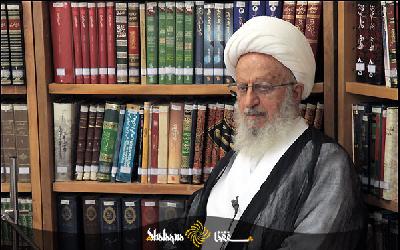
The Grand Ayatollah Makarem Shirazi answered a question about a doctor’s recommendation to a patient to avoid fasting.

Question: In some illnesses like kidney failure, the patient can be recommended not to fast with certainty. But in many cases that there are doubts about the main illness, or how fasting affects them, or due to non-existence of research and necessary results about the effects of fasting on many illnesses, and generally because the role of fasting on the illness is unknown, the doctor really does not know whether to recommend fasting to the patient or not; in this case, what is the duty of the doctor?

The Grand Ayatollah Makarem: There are two sides to this question: Sometimes the fear of harm is clear, meaning the significant possibility of harm of fasting is clear to the doctor. Here, the doctor can communicate the situation to the patient, and if the patient learns about the fear of fasting from the doctor’s saying, (then) quits fasting. In the second case where there is a low probability, the patient cannot be recommended to quit fasting.

Source: PERSIAN SHAFAQNA
برچسب ها: روانشانسی

مرتبط نوشته ها

Article

The Excellences of Imam Hussain (as) in Sunni Hadith

8 خرداد, 1399
Article

The Role of the Women of Ashura

8 خرداد, 1399
Article

Imam Hussain does not Need Crying, Commemoration: Imam Musa al-Sadr

8 خرداد, 1399
Article

The Story Behind Muharram and why we must Know it

8 خرداد, 1399
Article

Philosophy of Muharram Commemorations

8 خرداد, 1399
Article

Imam Hussain’s Unique Sacrifice for Humanity

8 خرداد, 1399
نوشته‌ی بعدی

Chapter 7: Succession in the Teachings of Shi’ism and Sunnism

دیدگاهتان را بنویسید لغو پاسخ

نشانی ایمیل شما منتشر نخواهد شد. بخش‌های موردنیاز علامت‌گذاری شده‌اند *

آخرین مطالب

تعامل دین و توسعه، امکان یا امتناع

تعامل دین و توسعه، امکان یا امتناع

26 آبان, 1404
نامه ای سرگشاده به دختران بی حجاب وطنم

نامه ای سرگشاده به دختران بی حجاب وطنم

26 مهر, 1404
نكته هايى درباره جهانى شدن

نكته هايى درباره جهانى شدن

12 مهر, 1404
دين و فرهنگ بر پايه متون باستانى ايرانى

دين و فرهنگ بر پايه متون باستانى ايرانى

10 مهر, 1404
بارگذاری بیشتر
دبيرخانه دين‌پژوهان كشور با هدف تعميق، توسعه و ترويج پژوهش‌هاي ديني، بهينه‌كردن اطلاع رسانى، پشتيبانى از مراكز دين‌پژوهى و پژوهشگران ديني، فعاليت می کند. اين دبيرخانه از نظر تشكيلات و سازماندهي در ابتدا تحت پوشش و حمايت وزارت فرهنگ و ارشاد اسلامي و سپس پژوهشگاه فرهنگ، هنر و ارتباطات قرار گرفت و در ادامه کار با پيشنهاد دبير شورای برنامه‌ريزی دين‌پژوهان و موافقت مسئولان وزارت فرهنگ و ارشاد اسلامي، به عنوان مؤسسه‌ای غيردولتی و غيرانتفاعی به ثبت رسيد.
 
دفتر مركزى در قم
نشاني: قم ، بلوار ۴۵ متری عماریاسر ، بین کوچه ۴ و ۶ ، مجمع جهانی شیعه شناسی ، دبيرخانه دين‌پژوهان
تلفن : ۳۷۷۱۳۷۷۳ ـ ۰۲۵
آدرس سایت:
www.dinpajoohan.com

پست الکترونيک:
info@dinpajoohan.com


نقل مطلب با ذکر منبع آزاد است.

کلیه حقوق مادی و معنوی این سایت متعلق به دبیرخانه دین پژوهان کشور می باشد.